AirPods, Galaxy Buds or Oppo Enco?
Most comparisons of wireless earbuds focus on sound quality. In practice, the choice usually comes down to something else: which phone you have, whether you want noise cancelling, and how much you're willing to spend.
Here's how we usually talk things through with customers who call us with questions.
Buy now


Your phone matters more than the spec sheet
Wireless earbuds work with any phone via Bluetooth. But the convenient features, like the pair connecting automatically when you open the case, or seeing the battery level right on your screen, are tied to the manufacturer.
If you have an iPhone, AirPods are the simplest choice. The connection takes care of itself, they switch seamlessly between iPad and phone, and you can find them via Find My.
If you have a Samsung, Galaxy Buds offer the same kind of seamless experience within Samsung's own ecosystem. We compare which Galaxy Buds suit you best in Galaxy Buds4 Pro, Buds3 Pro or Buds FE?
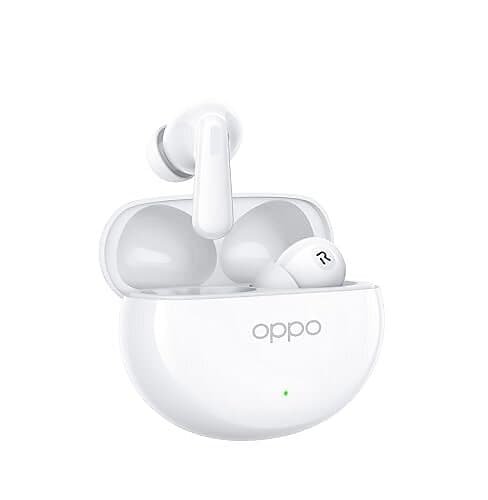
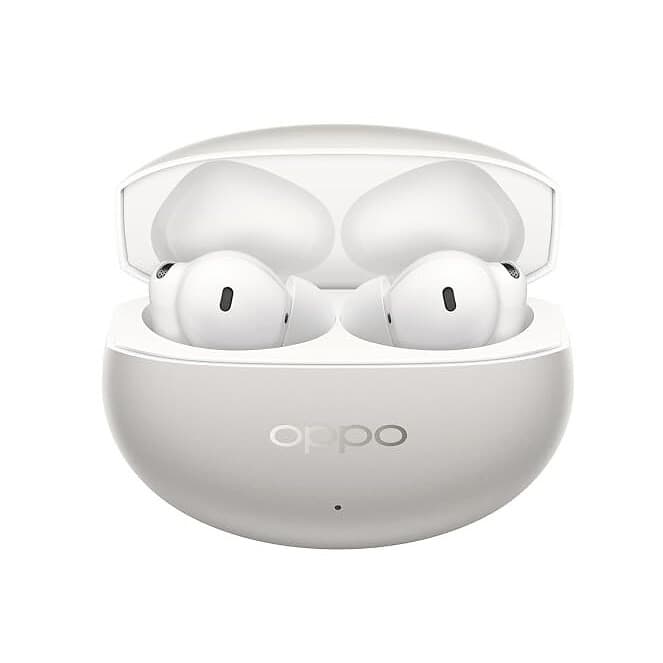
If you have something else, or simply don't mind, you're completely free to choose. Then it comes down to sound and price, and that's where Oppo's Enco series competes hard.
This isn't a minor detail. The most common reason people switch back to a different pair of earbuds isn't the sound, it's that the connection becomes a hassle in everyday use.
Do you need noise cancelling?
Active noise cancelling reduces steady, even sounds: subway rumble, fans, aircraft cabin noise. It doesn't do as good a job removing voices.
If you commute by public transport or fly often, this is the single feature you'll notice the most. The difference between earbuds with and without noise cancelling is big in a way that doesn't show up in a spec list.
If you're mostly at home or walking outdoors, you'll rarely need it. Many people even turn it off, since blocking out your surroundings can feel unsettling.
Open-fit models, which rest loosely in the ear rather than sealing it, can't deliver real noise cancelling. They're more comfortable for long wear and safer in traffic.
Three price tiers, and what sets them apart
Entry-level models give you wireless sound that simply works. A case, decent battery life, nothing more. For workouts or podcasts in the kitchen, that's enough more often than people think.
Products in this guide
Mid-range models are where noise cancelling comes in, along with better microphones for calls. This is the tier most people should look at first.
Products in this guide

Flagship models deliver the best noise cancelling, the best call quality, and features like transparency mode that genuinely sound natural. If you wear your earbuds for several hours a day, the step up is worth it.
Products in this guide

Fit determines both comfort and sound
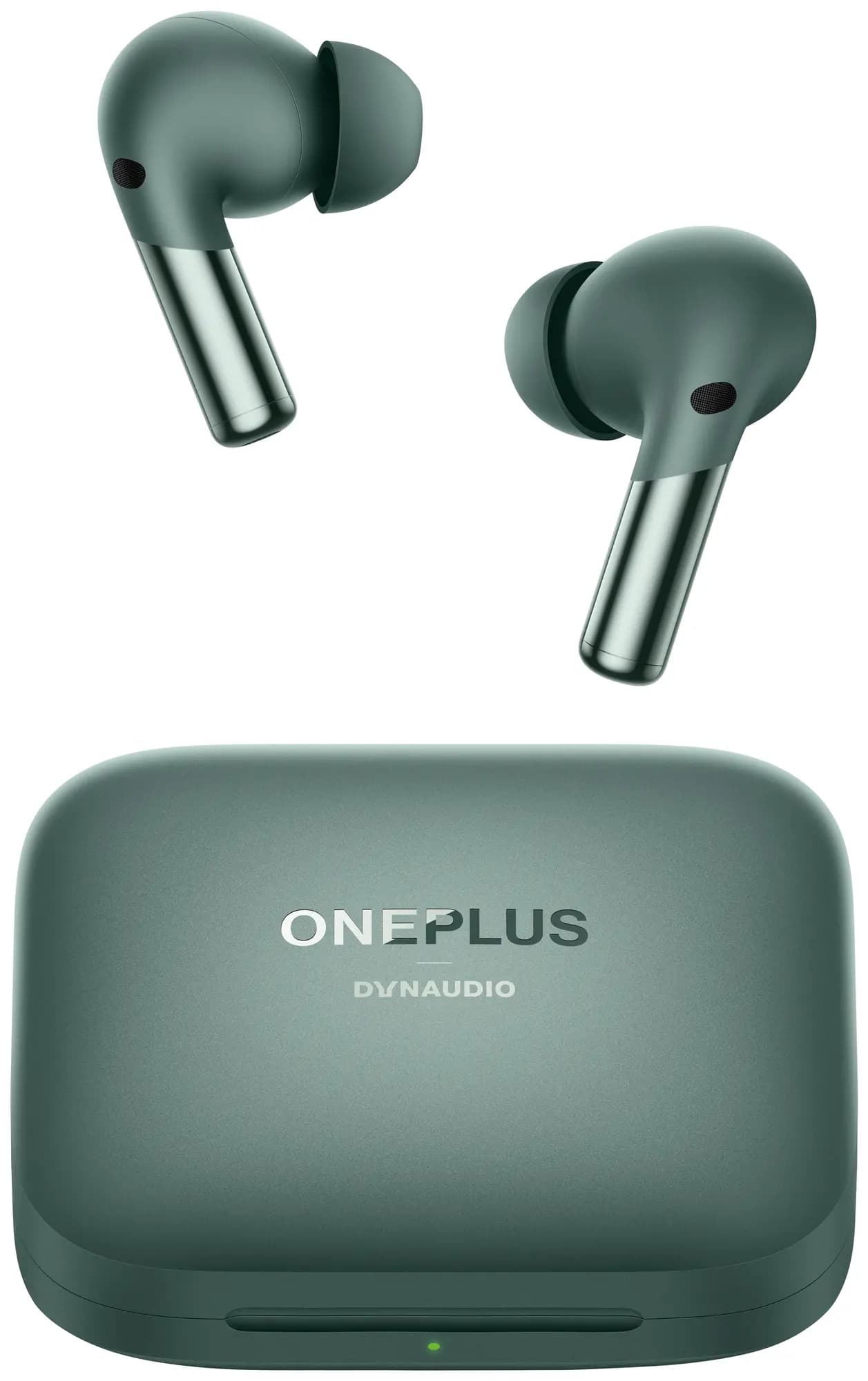
If an ear tip doesn't seal properly, the bass disappears and noise cancelling stops working. That's why the same model can sound thin for one person and full for another.
Models with silicone tips let you swap sizes, and it's worth trying all the tips that come in the box before you judge the sound. Models with hard plastic that simply rests in the ear, like standard AirPods, either fit you well or they don't fit at all.
Bargain items are the same earbuds
We also sell opened packaging and customer returns as bargain items. It's the same product with the same warranty, at a lower price, and the difference is usually just that the box has been opened.
If you've already decided on a model, it's worth checking there first.
In short
If you have an iPhone and use public transport: go for AirPods Pro. If you have a Samsung: Galaxy Buds Pro. If you want the most sound per euro and don't care about the ecosystem: look at Oppo Enco.
If you're unsure about the fit, get in touch before you order. We reply the same day.
Updated 2026-11-06 · Linné Elektronik
Join the Customer Club and we will email you when there are new videos and guides, along with our offers.