Prices in this guide: from 159,50 € to 178,90 €
How much are my Pokémon cards worth? How to value them (2026)
Most Pokémon cards are worth very little, but a few can be worth a lot. The difference comes down to five things: which card it is, how rare it is, what condition it is in, which print run it comes from and how many collectors want it. A card's value is what someone has actually paid for the same card in the same condition. With the steps below you can go through a whole binder in one evening.
Buy now
The short answer
1. Identify the card: name, card number, set and language. 2. Check the rarity symbol and see whether the card is a special variant. 3. Judge the condition: corners, edges, surface and centring. 4. Check whether it is 1st Edition, shadowless, a Japanese first print or a promo. 5. Compare with sold prices for the same card in the same condition, not with asking prices.
1. Identify the card
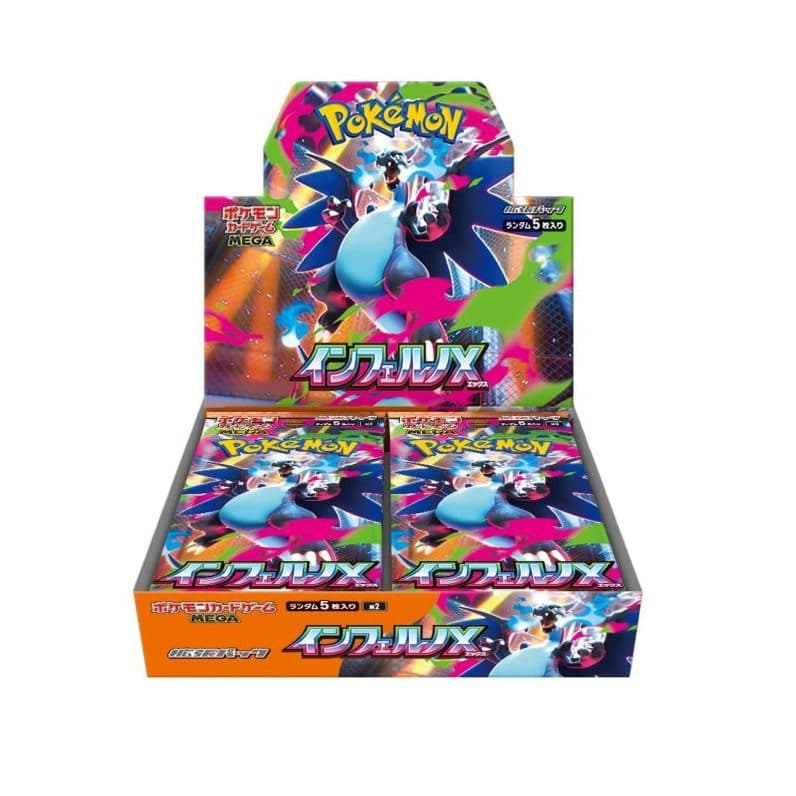
The card number is printed at the bottom of the card, for example 110/080 on a card from the Japanese Inferno X set. Next to it is a set symbol or, on newer cards, a set code that shows which set the card comes from. Name, number and set are enough to find exactly the right card when you look up sold prices.
Note the language too. A Japanese and an English card with the same artwork are two different cards to a buyer, and they are priced separately. The same goes for different versions of the same Pokémon within one set.
2. Check how rare the card is
The rarity symbol sits in one of the bottom corners, next to the card number. This is how to read it on English cards:
| Symbol | Rarity |
|---|---|
| Black circle | Common |
| Black diamond | Uncommon |
| Black star | Rare |
| Two black stars | Double Rare |
| One gold star | Illustration Rare |
| Two gold stars | Special Illustration Rare |
| Two silver stars | Ultra Rare |
| Three gold stars | Hyper Rare |
| Star with the word PROMO | Promo card |
The tiers with two or three stars and the gold stars arrived with the Scarlet & Violet sets. Newer Japanese cards show rarity as letters instead, for example RR, SR, SAR and MUR. In Inferno X, Mega Charizard X ex comes in all four versions, and the rarest versions have sold for considerably more than the regular one.
Look at the number as well. If the card number is higher than the number of cards in the set, such as 110/080, it is a so-called secret rare. These are the hardest cards to pull from a pack.
3. Judge the condition honestly
Condition often matters more than the card itself. The grading companies PSA, CGC and Beckett assess the same four things, so start there:
- Corners: sharp, or rounded and worn?
- Edges: white specks and wear along the edges, especially on the back, lower the value.
- Surface: scratches, marks, print spots and bends show best in angled light.
- Centring: is the border equally wide on all sides?
A card that has been loose in a drawer or in an old binder is rarely in top condition, even if it looks nice at arm's length. Be strict rather than kind in your assessment, then compare with sold cards in roughly the same condition.
4. Print run and variant
A few details can make a big difference on older cards:
- 1st Edition: the first print runs of the early English sets carry a special 1st Edition symbol on the front.
- Shadowless: the earliest print runs of the English Base Set lack the shadow around the art box that was added in later prints.
- Japanese first prints: the 1996 Japanese Base Set was first printed without a rarity symbol in the corner. Japan had no 1st Edition symbol, so the missing symbol is what marks the first print.
- Promo cards: cards from tournaments, events, the Pokémon Center and special boxes. Tournament cards often carry a stamp with the tournament and year, and Japanese promos have their own numbering, for example 261/SV-P.
According to the grading company CGC, 1st Edition and shadowless cards are worth more than later prints of the same card, and some promos are scarce and therefore sought after.
5. Check sold prices
The only price that counts is what someone actually paid. An asking price in a listing only shows what the seller hopes for. Search for the card's name and number on Cardmarket, a European marketplace for trading cards, and on eBay, and give the most weight to cards that have actually sold. An ended listing is not always a sale, so look for real sales.
Only compare with the same card, the same language, the same variant and the same condition. If the card is graded, compare with the same grade from the same grading company. Look at several sales rather than one, because a single high or low price can be an exception.
Is grading worth it?
Grading means that a company such as PSA, CGC or Beckett rates the card's condition on a scale from 1 to 10 and seals it in a plastic holder with the grade on the label. CGC and Beckett also use half grades, such as 9.5. The major grading companies grade Japanese cards in the same way as English ones.
A card graded 10 is often worth much more than the same card ungraded. But grading costs money and takes time, and the grade can come back lower than you hoped. It therefore pays off mainly for cards that are already valuable and in very good condition. For ordinary cards, grading usually costs more than it adds to the value.
Which Pokémon cards are valuable?
No card has a fixed price, but the cards collectors pay the most for often have one of these things in common:
- Early prints: 1st Edition and shadowless from Base Set, or 1996 Japanese cards without a rarity symbol.
- Top rarity: secret rares and the highest tiers, such as Special Illustration Rare, Hyper Rare, SAR and MUR.
- Popular Pokémon: the same rarity can have very different values depending on which Pokémon it is.
- Scarce promos: for example stamped tournament cards.
- Top condition: cards with the highest grade from a grading company.
An ordinary card in worn condition is rarely worth much, however old it is. Values also change over time as demand changes, so always check recent sold prices.

Japanese cards and sealed boxes
We believe Japanese Pokémon cards hold just as much collector value as English ones. They are published by The Pokémon Company, Japanese sets can come out before the English ones, and the grading companies grade them in the same way. How Japanese boxes differ from English ones is covered in our buying guide to Japanese Pokémon cards.
Many collectors buy sealed boxes and open them themselves. According to the manufacturer, the cards are packed at random, so nobody knows in advance what a box contains. The Pokémon Company has also warned about packs and boxes that someone has already searched for the rare cards, so buy sealed boxes from a seller who states the edition and origin. A Japanese Inferno X box holds 30 packs of 5 cards, and our price today is 159,50 €. Buy a box because you enjoy opening and collecting, not as an investment. You will find all Japanese boxes under Pokémon cards.
Products in this guide
Pokémon cards as a Christmas gift
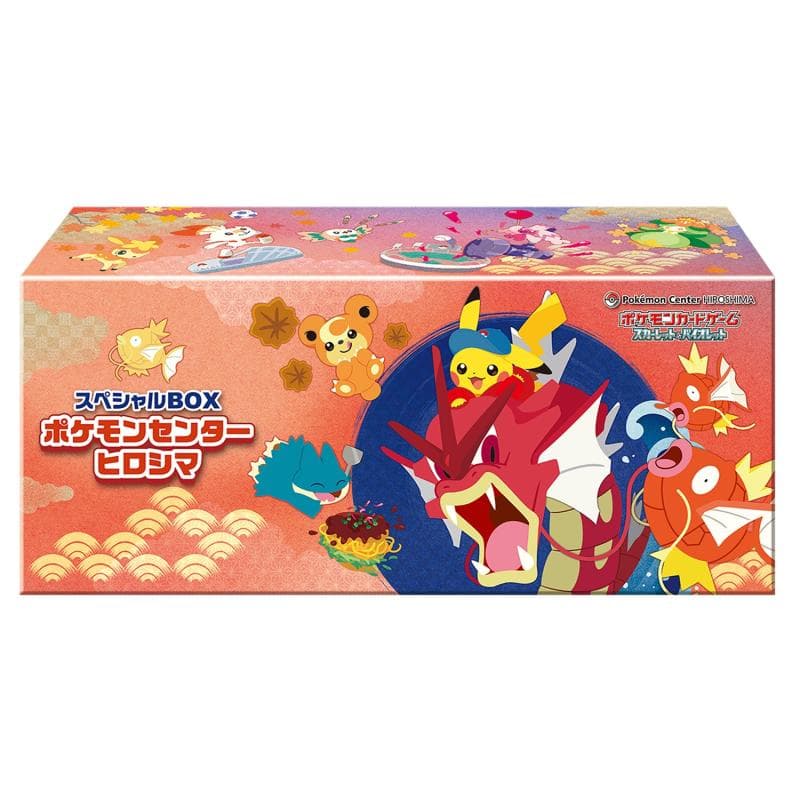
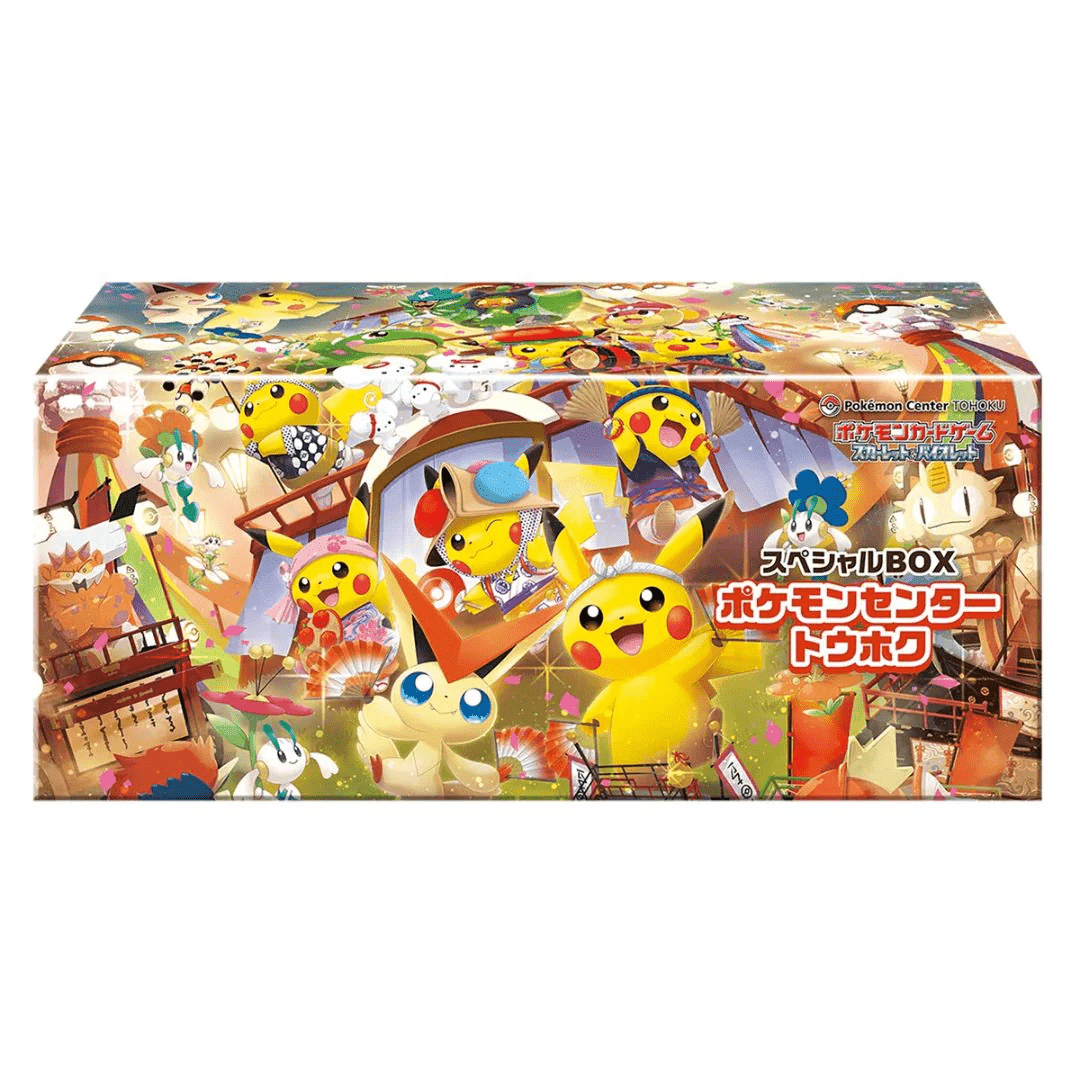
A sealed booster box suits someone who enjoys opening packs, ideally together with someone else. A Pokémon Center special box is a better fit for someone who already collects, as it contains accessories to protect the cards and a promo card, but no booster packs. The delivery time for each box is shown on the product page and at checkout, and you will find the terms under delivery terms. For more ideas, see our guide to tech gifts.
Protect the value
Put valuable cards in a card sleeve as soon as they turn up, then in a rigid holder (toploader). Store binders and boxes upright, dry and at room temperature, and keep them out of direct sunlight. Once a card has been bent, it cannot be repaired.
According to the manufacturer, the Pokémon Center special boxes contain 64 card sleeves, a deck case and a long card box, but no booster packs. The Hiroshima box includes a holographic promo card of Hiroshima's Pikachu (261/SV-P), and the Tohoku box Tohoku's Pikachu (260/SV-P).
Products in this guide
The information on rarity symbols, print runs and grading comes from Pokémon's own site pokemon.com and from the grading companies PSA, CGC and Beckett, and the box contents from the manufacturer and our product register (checked 25 November 2026). This guide is based on those sources and on what our customers ask us.
Legal guarantee
As with everything you buy from us, you have at least 2 years' legal guarantee.
Frequently asked questions
How do I know if my Pokémon card is valuable? Check the rarity symbol and the card number, look for a 1st Edition symbol or a shadowless print on older cards, and judge the condition honestly. Then search for the card's name and number among sold cards on Cardmarket or eBay.
Are old Pokémon cards worth money? Some are. 1st Edition and shadowless cards from the English Base Set are worth more than later prints of the same card, and 1996 Japanese cards without a rarity symbol are scarce first prints. Ordinary cards in worn condition are rarely worth much, however old they are.
Where can I find the price of a Pokémon card? Look at sold prices, not asking prices. Cardmarket and eBay show what the same card has actually sold for. Only compare cards with the same language, variant and condition.
Are Japanese Pokémon cards worth less than English ones? Not in general. Value depends on the card, its condition and demand, and we believe Japanese cards hold just as much collector value as English ones. More in our buying guide to Japanese Pokémon cards.
What does it mean when the card number is higher than the number of cards in the set? Then it is a secret rare, for example 110/080 in the Japanese Inferno X set. Secret rares are the hardest cards to pull from a pack.
Is it worth grading my cards? Only if the card is already worth something and is in very good condition. Grading costs money and takes time, and for ordinary cards it usually costs more than it adds to the value.
Is a sealed Pokémon box an investment? We make no promises about future value. Prices of cards and boxes go up and down, and the cards in a box are random. Buy a box because you enjoy opening and collecting. You will find all Japanese boxes under Pokémon cards.
Published 25 November 2026 · Linné Elektronik
Join the Customer Club and we will email you when there are new videos and guides, along with our offers.