Sony A7R VI buying guide: how big the gap to A7R V and IV is
We're usually cautious about recommending an upgrade of just one generation. Most of the time you get slightly better numbers for a lot of money, and the camera you already own takes pictures just as good as yesterday.
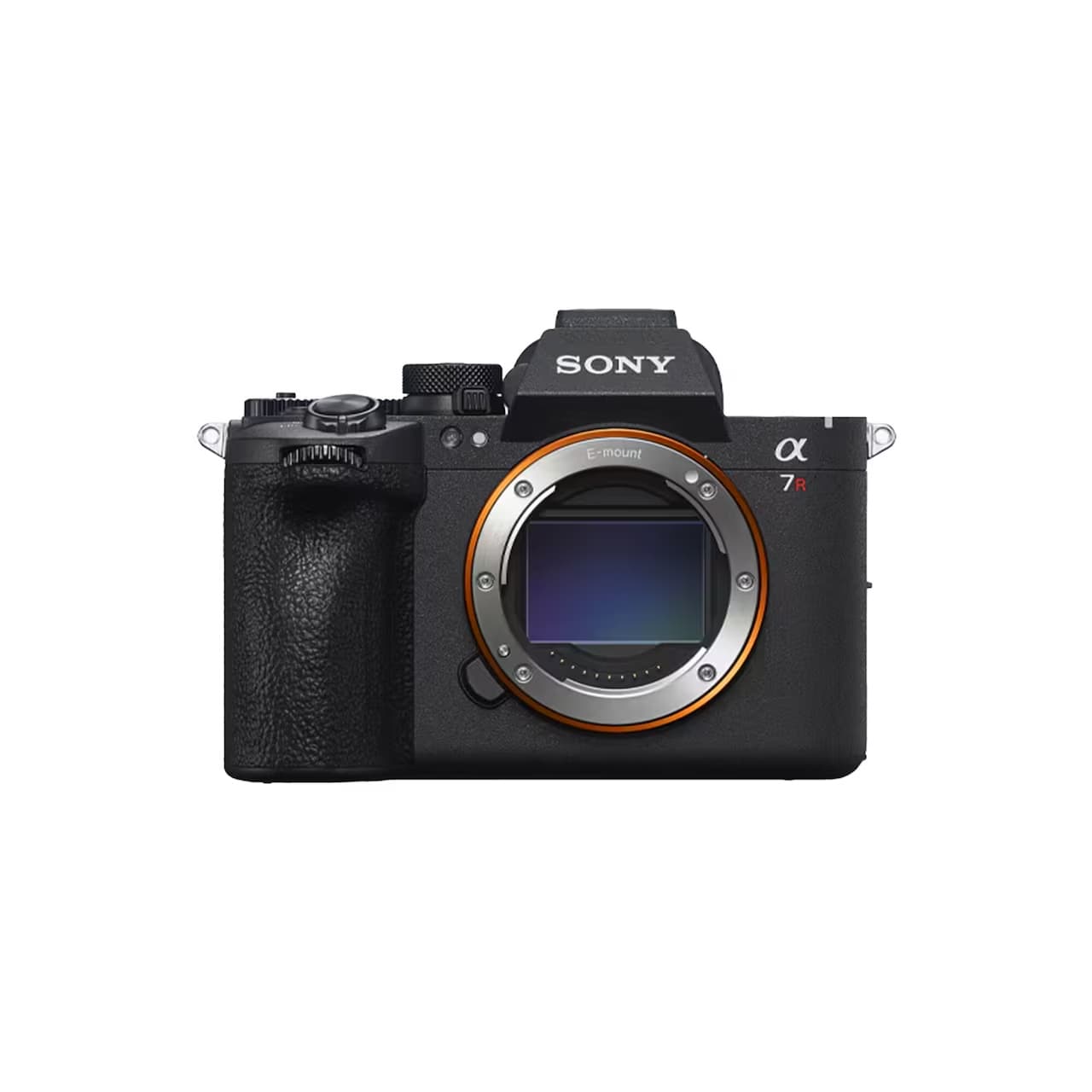
So when the Sony A7R VI arrived, we didn't think the difference from the A7R V would be that big. The sensor has gone from 61 to 66.8 megapixels, which doesn't sound like a revolution.
Then we spoke with a photographer who bought his A7R VI from us. He described it as a substantial upgrade. We take that to heart, and when we dug into the specifications we understood why.
Buy now
The short answer
- If you've been thinking about upgrading from the A7R V: go for the A7R VI. Normally we wouldn't say that about a single generation, but here it feels spot on. Speed makes the difference, not the megapixels.
- If you have an A7R IV, there's nothing to think about. The viewfinder, autofocus, video and memory cards have each taken a generational leap.
- If you shoot almost only landscapes and studio work from a tripod, you'll notice the least difference. There, the A7R V still goes a long way.
At Linné, the Sony A7R VI currently costs 4 749 €.
Products in this guide
A7R VI, A7R V and A7R IV side by side
| Sony A7R VI | Sony A7R V | Sony A7R IV | |
|---|---|---|---|
| Launched | 2026 | 2022 | 2019 |
| Sensor | 66.8 MP, fully stacked | 61 MP, back-illuminated | 61 MP, back-illuminated |
| Processor | BIONZ XR2 | BIONZ XR | BIONZ X |
| Electronic shutter readout | about 20 ms | about 100 ms | not stated here |
| Burst | 30 fps electronic, 10 fps mechanical | 10 fps, 7 fps in highest raw quality | 10 fps compressed raw, 8 fps uncompressed |
| Phase-detection AF points | 759 | 693 | 567 |
| In-body stabilisation | 8.5 stops | 8 stops | 5.5 stops |
| Video | 8K 30p without crop, 4K 120p, 10-bit 4:2:2 | 8K 24p and 4K 60p with 1.24x crop | 4K 30p |
| Viewfinder | 9.44 million dots, 0.90x, 120 fps | 9.44 million dots, 0.90x | 5.76 million dots, 0.78x |
| Memory cards | 2 × CFexpress Type A or SD UHS-II | 2 × CFexpress Type A or SD UHS-II | 2 × SD UHS-II |
| Battery | NP-SA100, about 600 shots with the viewfinder | NP-FZ100, about 440 shots with the viewfinder | NP-FZ100, about 530 shots with the viewfinder |
| Weight with battery and card | 713 g | 723 g | 665 g |
| Launch price | 4,498 USD | 3,900 USD | 3,499 USD |
The figures come from Sony's specifications as given in the Wikipedia articles on each camera and on our product page (checked 16 November 2026). Stabilisation for the A7R IV and A7R V is Sony's figure at each launch.
Why the megapixels are the least interesting part
Going from 61 to 66.8 megapixels makes the image barely 5 percent wider. You'll see it in a large print, but it's not why you should switch.
What has actually changed is the sensor design. The A7R VI has a fully stacked sensor, where the electronics sit in their own layer behind the pixels. That lets the whole image be read out roughly five times faster than in the A7R V, in around 20 milliseconds instead of 100.
For you as a photographer, that means three things:
- You can trust the electronic shutter even when the subject moves. In the A7R V, straight lines leaned and motion was distorted when you shot silently. With the A7R VI you can shoot silently at weddings, in churches and at concerts without thinking about it.
- 30 frames per second in raw. The A7R V manages 10, and only 7 if you want the best raw format. That's the difference between having the moment and almost having it.
- 8K without crop. The A7R V cropped the image in 8K and in 4K 60p, which made wide-angle lenses narrower than you paid for. The A7R VI uses the full width of the sensor.
It's the same image quality you already love in the A7R series, but the camera stops being the slow one in the bag.
High resolution without compromise
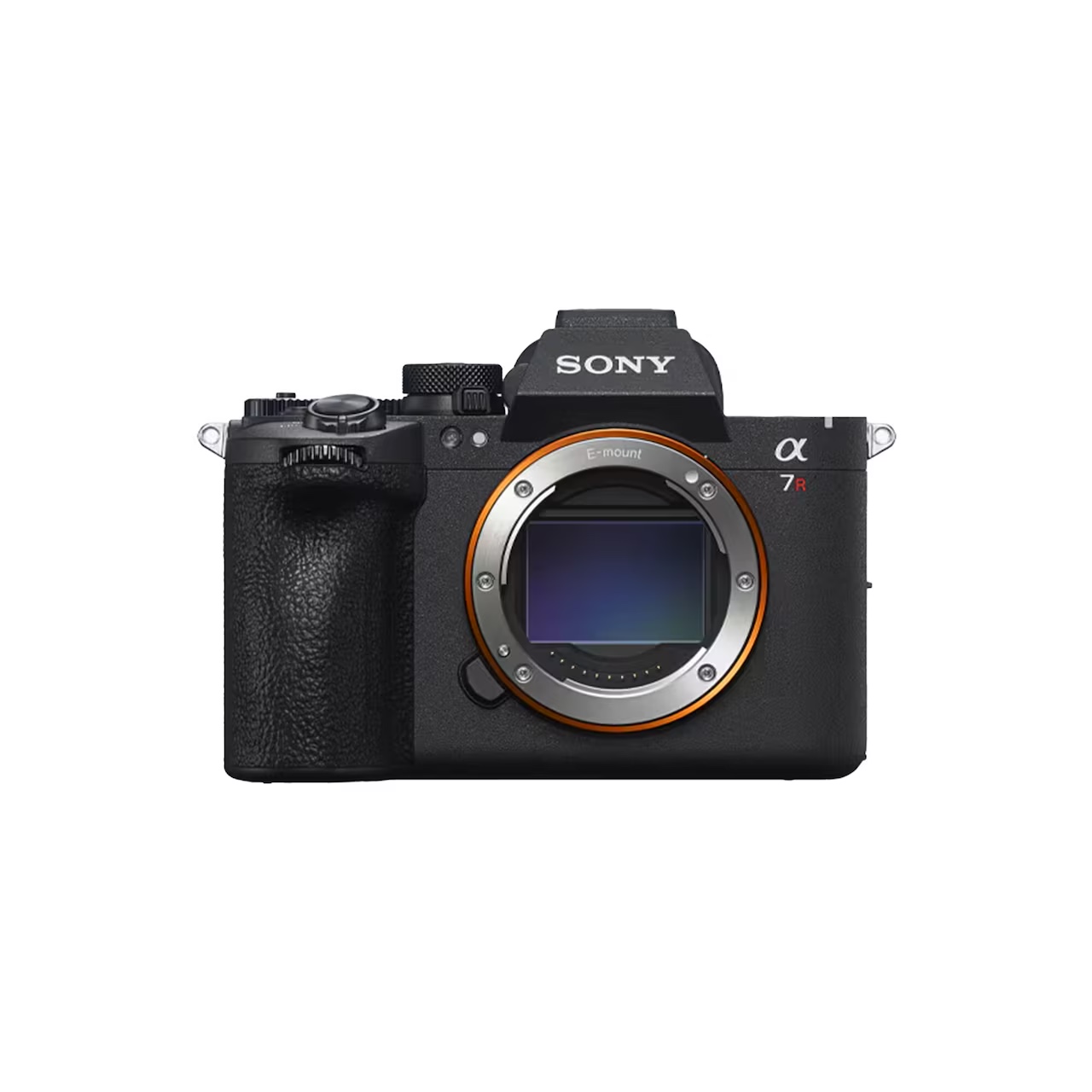
The A7R series has always been about detail: landscapes that hold up as wall-sized prints, portraits where every hair shows, product shots that can take a hard crop. The A7R VI keeps all of that and removes the compromises that used to come with it.
8.5 stops of stabilisation lets you handhold long shutter speeds even at 66.8 megapixels, where the slightest shake would otherwise show straight away. The 120 fps viewfinder gives a sharp, fluid image when you follow a subject. And BIONZ XR2 with built-in AI recognises the subject and keeps focus where it belongs.
The new battery, NP-SA100, lasts about 600 shots with the viewfinder against 440 in the A7R V according to Sony. That's roughly a third more shots per charge, and you notice it over a long day of shooting.
From the A7R V: worth it if you shoot anything that moves
If you shoot weddings, events, outdoor portraits, animals or nature, the A7R VI is a clear step up. The speed, the silent shutter and the better subject recognition give you more sharp images in the moments that don't come back.
If you film, the difference is even bigger: 8K without crop, 4K at 120 frames per second and 10-bit 4:2:2 make the A7R VI a true hybrid camera.
Two things to expect when you switch:
- New battery. The A7R VI uses the NP-SA100 instead of the NP-FZ100 used by the A7R IV and A7R V. Check your spare batteries before you switch.
- Larger files. 66.8 megapixels in 14-bit raw takes up space. Fast CFexpress Type A cards and a computer that can handle the files make a big difference day to day.
From the A7R IV: a generational leap on every point
The A7R IV was a fantastic camera when it arrived in 2019, and it still takes lovely pictures. But here the difference isn't a matter of taste.
The viewfinder has gone from 5.76 to 9.44 million dots and from 0.78x to 0.90x magnification. Autofocus has gone from 567 to 759 phase-detection points, with AI-based subject recognition. Video has gone from 4K 30p to 8K. And you get CFexpress cards, which the A7R IV lacks entirely.
If you've held off upgrading from the A7R IV, you've been waiting for the right camera.
We're with you all the way
We believe strongly in the A7R VI, and we want you to feel confident in a purchase at this level. If you're wondering about the camera, lenses, memory cards or how it fits the way you shoot: ask us. We check with our experts before we answer, so you get an answer you can trust.
Write to us via customer service or email info@linneelektronik.com.
Safe to buy your camera from us
- 14-day right of withdrawal: you can open the camera and try it out as you would in a shop.
- Statutory legal guarantee applies as usual under EU consumer law (at least 2 years, depending on your country's consumer law). A fault that appears within the first 12 months is presumed to have existed at delivery.
More on warranty and imports can be found in Parallel imports and warranty. You'll find more cameras under Cameras.
Frequently asked questions
Is the A7R VI worth upgrading to from the A7R V? Yes, if you've been thinking about it. Speed is what sets it apart: a fully stacked sensor, 30 frames per second, a silent shutter without distortion and 8K without crop. If you only shoot from a tripod, the difference is smaller.
How much bigger are the images? Barely 5 percent wider, from 61 to 66.8 megapixels. Resolution isn't the reason to switch.
Will my old batteries fit? The A7R VI uses the new NP-SA100 battery. The A7R IV and A7R V use the NP-FZ100. Check your spare batteries before you switch.
Will my lenses fit? Yes. The A7R VI has a Sony E-mount, just like the A7R IV and A7R V.
Which memory cards should I buy? CFexpress Type A for full speed in burst shooting and 8K video. SD UHS-II also works, but the buffer clears more slowly.
Is the A7R VI good for video? Yes. 8K 30p without crop, 4K up to 120 frames per second and 10-bit 4:2:2 make it a true hybrid camera.
Can I ask you before I buy? Yes, please do. Write to customer service or email info@linneelektronik.com, and we'll check with our experts and get back to you.
Published 2026-11-16 · Linné Elektronik
Join the Customer Club and we will email you when there are new videos and guides, along with our offers.